
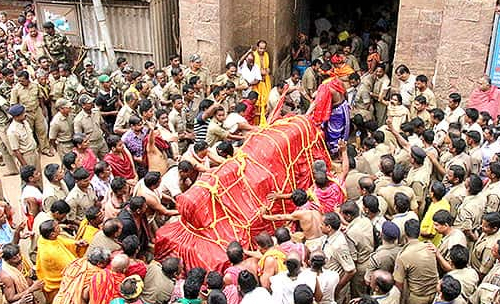
Nabakalebara Darshan – Rare Divine Transformation Ritual
Nabakalebara is one of the most sacred and rare rituals associated with the Jagannath Temple. The word literally means “new body” (naba = new, kalevara = body), symbolizing the rebirth of the deities worshipped in the temple. Nabakalebara at the Jagannath Temple is considered very rare, both spiritually and calendrically.
When is it held?
Nabakalebara does not happen every year. It occurs only when:
- There are two Ashadha months (a leap month) in the Hindu lunar calendar.
This typically happens every 12 to 19 years. Recent occurrences:
- 1996
- 2015 (last Nabakalebara)
The Sacred Process
1. Banajaga Yatra (Search for Sacred Trees)
Priests and temple servitors go on a spiritual expedition to find special neem trees with strict divine markings.
2. Carving of Idols
The selected wood is used to carve new idols in secrecy by skilled artisans.
3. Transfer of “Brahma”
The most mysterious part:
- A sacred essence called “Brahma” is transferred from the old idols to the new ones.
- This is done in complete darkness and secrecy—no one is allowed to witness it.
4. Burial of Old Idols
The old deities are buried inside the temple premises in a place called Koili Vaikuntha, symbolizing death before rebirth.
Cultural Impact
Nabakalebara is deeply tied to Odisha’s identity and traditions. It’s closely connected with the grand Rath Yatra, which follows soon after the new idols are installed.